
When it comes to adhesives, Loctite is undoubtedly a trusted brand, renowned for providing high-performance solutions in industrial and consumer applications. Whether you're tackling small repairs at home or working on professional projects, finding the right Loctite product can make a significant difference.
However, a common question arises within Loctite’s extensive product range: which Loctite glue is the strongest? The answer depends on your specific application needs, including the materials being bonded, environmental conditions, and the types of loads the bond will endure.
This article will delve into the strongest Loctite options available, their key features, and the best use cases for each.
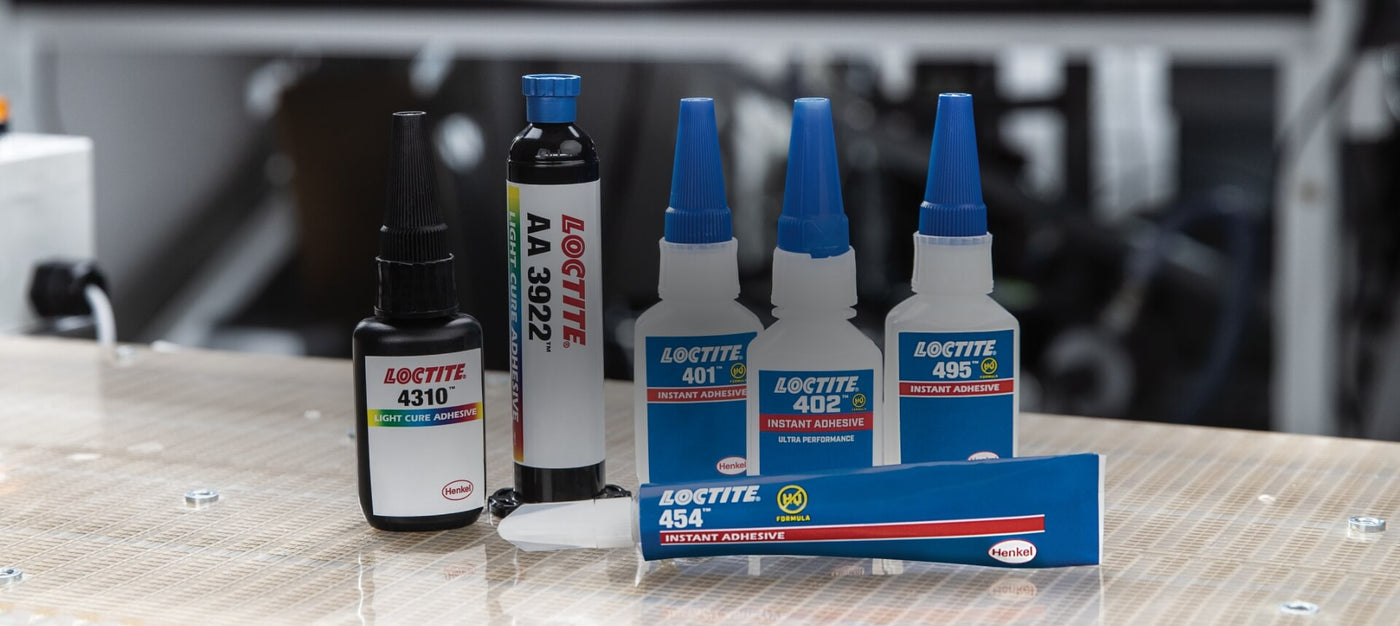
Understanding Loctite Adhesives
Loctite manufactures a variety of adhesives suitable for different materials and applications, which can be broadly categorized into three main types:
- Thread Locking Adhesives: Designed to secure threaded fasteners and prevent loosening due to vibration or external forces.
- Epoxy Resins: Two-part adhesives that provide extremely strong bonding for structural and heavy-duty applications.
- Super Glue (Cyanoacrylate): Fast-acting adhesives ideal for small, precise applications on non-porous surfaces.
Each category offers products with varying strength levels, so understanding which option suits your requirements is crucial.
The Strongest Loctite for Different Applications
1. Loctite Thread Locking Adhesives
Loctite thread locking adhesives are intended to prevent bolts, nuts, and screws from loosening due to vibration or external forces. Among these, the following two products stand out:
-
Loctite 243 (Medium Strength): While not the strongest in the thread locking series, it provides reliable performance for parts that may need to be disassembled in the future, suitable for everyday maintenance and light-load environments.
-
Loctite 263 (High Strength): Known for its powerful bonding capability, Loctite 263 is the strongest option in the thread locking series. It can permanently lock fasteners, making it ideal for heavy machinery and automotive applications.
Best Use Case: Loctite 263 is the preferred choice for high-vibration environments, such as engines, transmissions, and other critical mechanical components requiring permanent locking.
2. Loctite Epoxy Resins
When it comes to the strongest structural bonding, Loctite's epoxy products are unparalleled. Loctite EA E-120HP is a two-part adhesive that stands out for its exceptional strength and versatility. It can bond metals, composites, and plastics, providing incredible durability and withstanding pressures up to 5,000 PSI.
Key Features: Loctite EA E-120HP offers high impact resistance and the ability to work under extreme conditions such as high temperatures and exposure to harsh chemicals, making it an ideal choice for heavy-duty applications.
Best Use Case: For demanding structural repairs, such as metal bonding in aerospace, automotive, or heavy industrial applications, Loctite EA E-120HP delivers unmatched performance.
3. Loctite Super Glue (Cyanoacrylate)
Cyanoacrylate adhesives, commonly known as super glue, are ideal for quick, precise bonding. Loctite 411 is one of the strongest cyanoacrylate adhesives in the Loctite lineup, offering outstanding performance for non-porous materials like metal, plastic, and rubber. It features excellent impact resistance, moisture resistance, and heat resistance, making it a versatile choice for various applications.
Best Use Case: Loctite 411 is perfect for quick repairs requiring precision and durability, such as fixing industrial components or high-stress parts in electronics or automotive applications.
Factors Affecting Bond Strength
The strength of Loctite adhesives depends not only on the product itself but also on how it is used. To ensure the strongest bond possible, consider the following factors:
-
Surface Preparation: Clean and dry the surfaces before applying the adhesive. Dirt, grease, or moisture can weaken the bond.
-
Material Compatibility: Match the adhesive with the materials being bonded. Some adhesives are specifically formulated for metals, plastics, or wood.
-
Curing Time: Allow the adhesive to fully cure. Some products reach maximum strength within minutes, while others may take hours or days.
-
Environmental Factors: Consider the conditions the adhesive will face, such as extreme temperatures, humidity, or chemical exposure.
Choosing the Right Loctite for Your Project
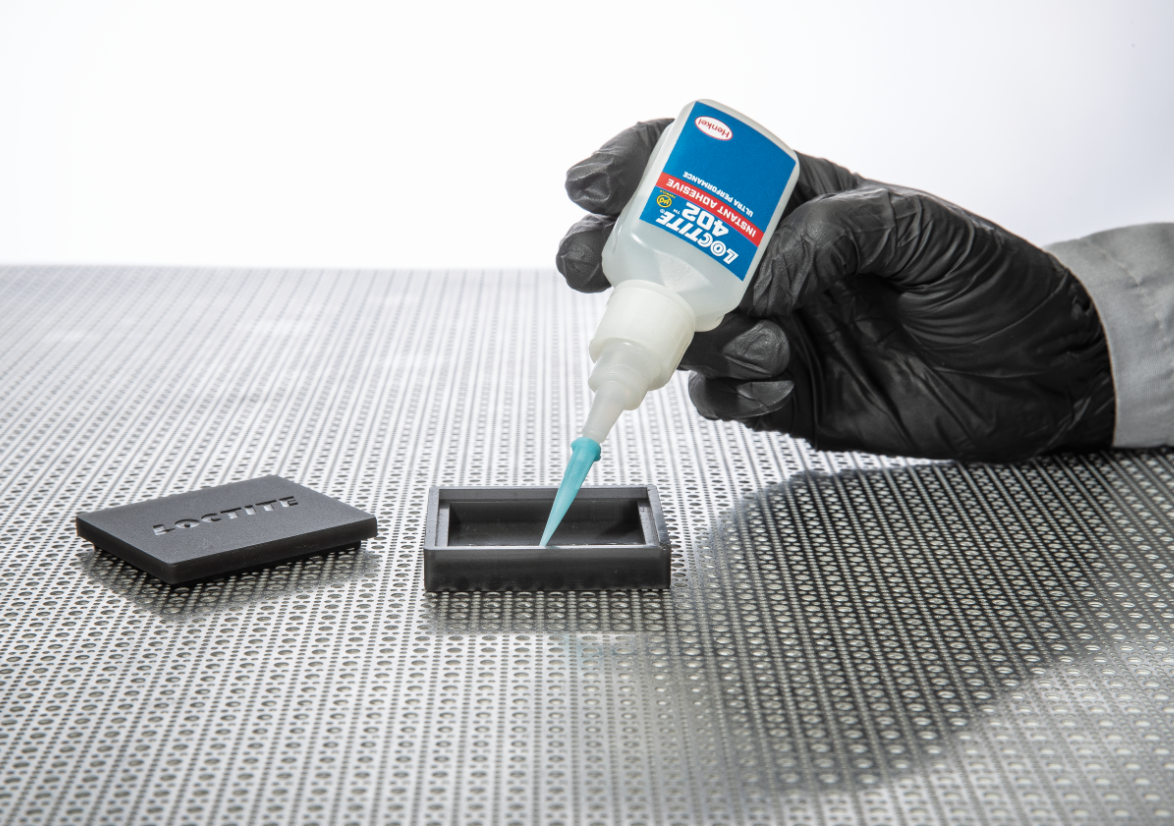
Here’s a quick guide to help you choose the strongest Loctite adhesive based on your needs:
| Application | Strongest Loctite Product | Key Features |
|---|---|---|
| Thread Locking | Loctite 263 | High strength, shock resistant |
| Structural Bonding | Loctite EA E-120HP | Withstands 5,000 PSI, chemical resistant |
| Quick Repairs | Loctite 411 | Excellent impact resistance, versatile bonding |
Conclusion
When determining the strongest Loctite glue, the answer depends on the specific needs of your project. For permanent thread locking, Loctite 263 is unparalleled. For heavy-duty structural repairs, Loctite EA E-120HP offers exceptional strength and durability. Meanwhile, Loctite 411 is an excellent choice for quick, precise bonding with outstanding impact resistance.
By understanding the unique properties and advantages of each product, you can confidently select the right Loctite adhesive to ensure the success and longevity of your projects. Whether for everyday repairs or professional applications, choosing the right adhesive will greatly enhance your efficiency and outcomes.


