
With the increasing demands for miniaturization, lightweight, and high performance in electronic products, the variety and quantity of adhesives used in electronics production have been continuously expanding. Additionally, the performance of electronic adhesives has been continuously improving to meet the requirements of high-performance electronic products.
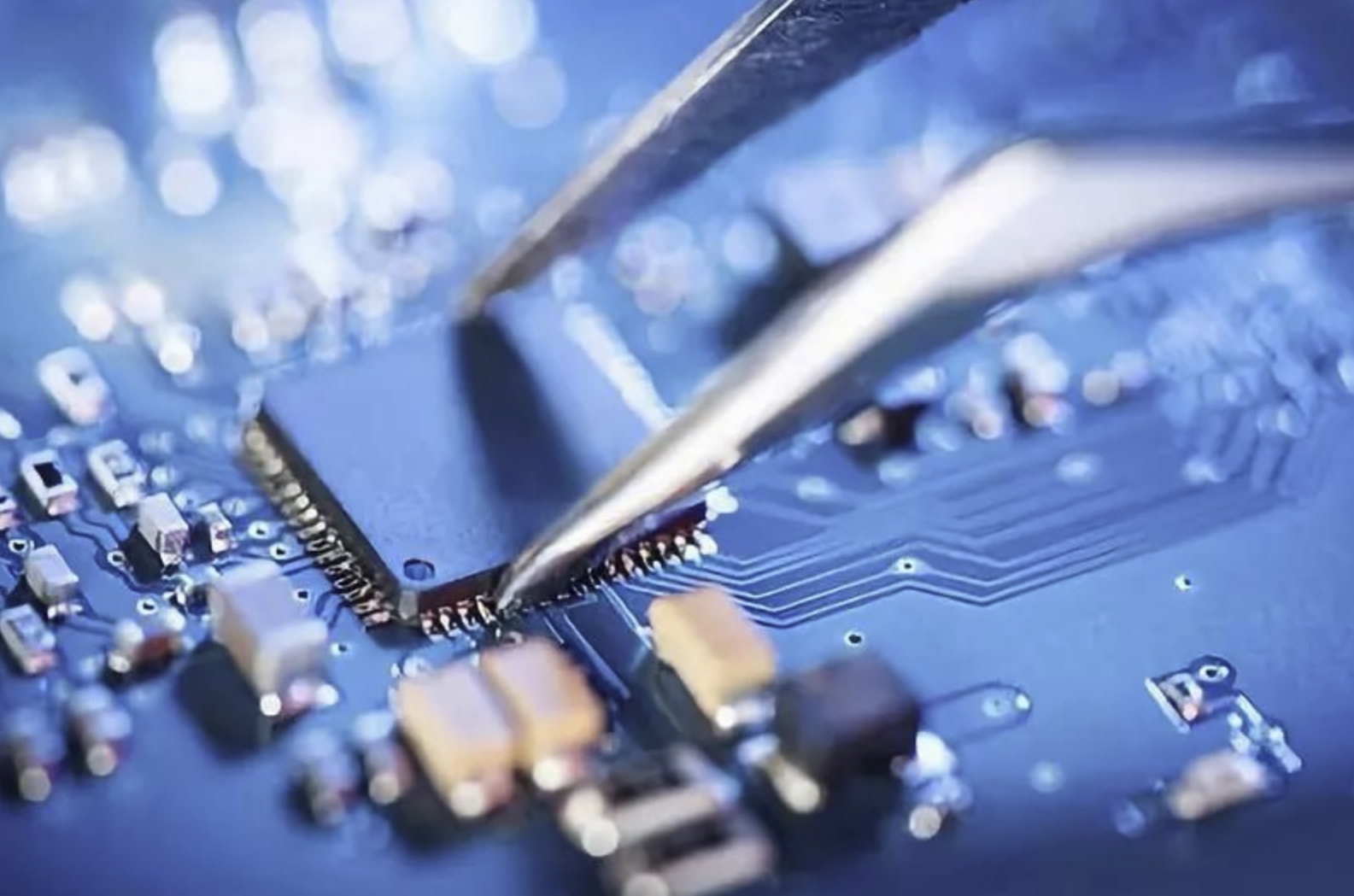
The wide range of electronic adhesives and their strict performance requirements give them a significant position in the adhesive industry. Electronic adhesives in the electronics industry not only provide reliable bonding and protection but also meet the specific requirements of electronic product designs, such as high temperature, high voltage, and conductivity. Therefore, adhesives play a crucial role in the electronics industry and make important contributions to the manufacturing and performance of electronic products.
Characteristics of electronic adhesives
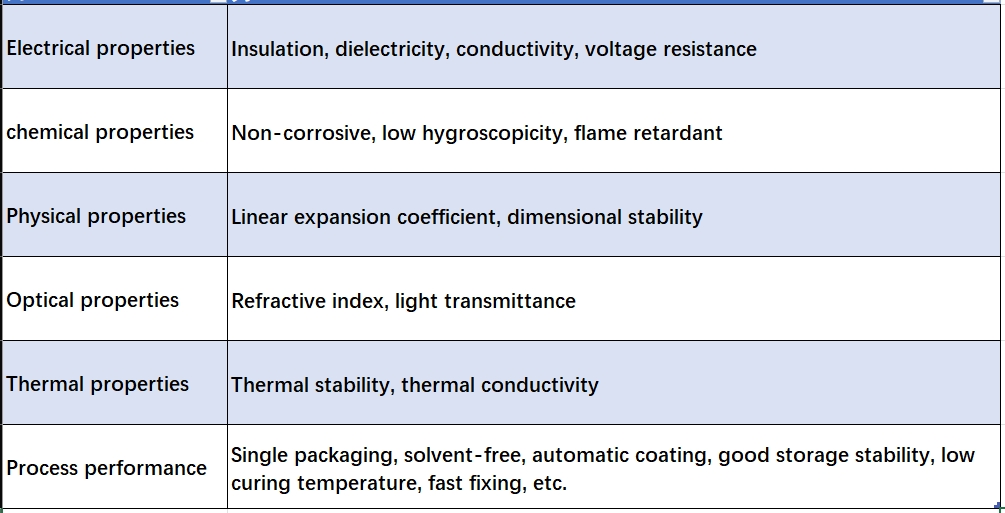
The following are the main characteristics of electronic adhesives:
Main types of electronic glue
1. General-purpose adhesive
This adhesive can be used to bond a variety of metals, plastics and other materials. These include the following types:
- Second-generation acrylic glue: including two-part curing agent type and primer type. This adhesive features fast curing and high-strength bonding.
- Alpha-cyanoacrylate adhesive: This adhesive is a representative of fast-curing adhesives. It can be used to bond most materials, with primer, even polyolefins and engineering plastics.
- Hot melt adhesive: The main varieties include ethylene vinyl acetate copolymer (EVA), polyamide (nylon), polyester, etc. EVA hot melt adhesive is widely used, but its heat resistance is poor, while the latter two adhesives have better heat resistance. The biggest advantage of hot melt adhesive is that it cures quickly and is pollution-free.
- Silicone adhesives: Silicone adhesives are divided into two categories: single-component and two-component, and there are many different varieties in each category. In the electronics industry, one-component moisture-curable silicone rubber is widely used. It is mainly used for the insulation sealing of high-voltage cable, the bonding and sealing of various electronic components, hybrid integrated circuits, power components, picture tubes and other high-voltage components, as well as heat-resistant glass products.
2. Thermal conductive adhesive
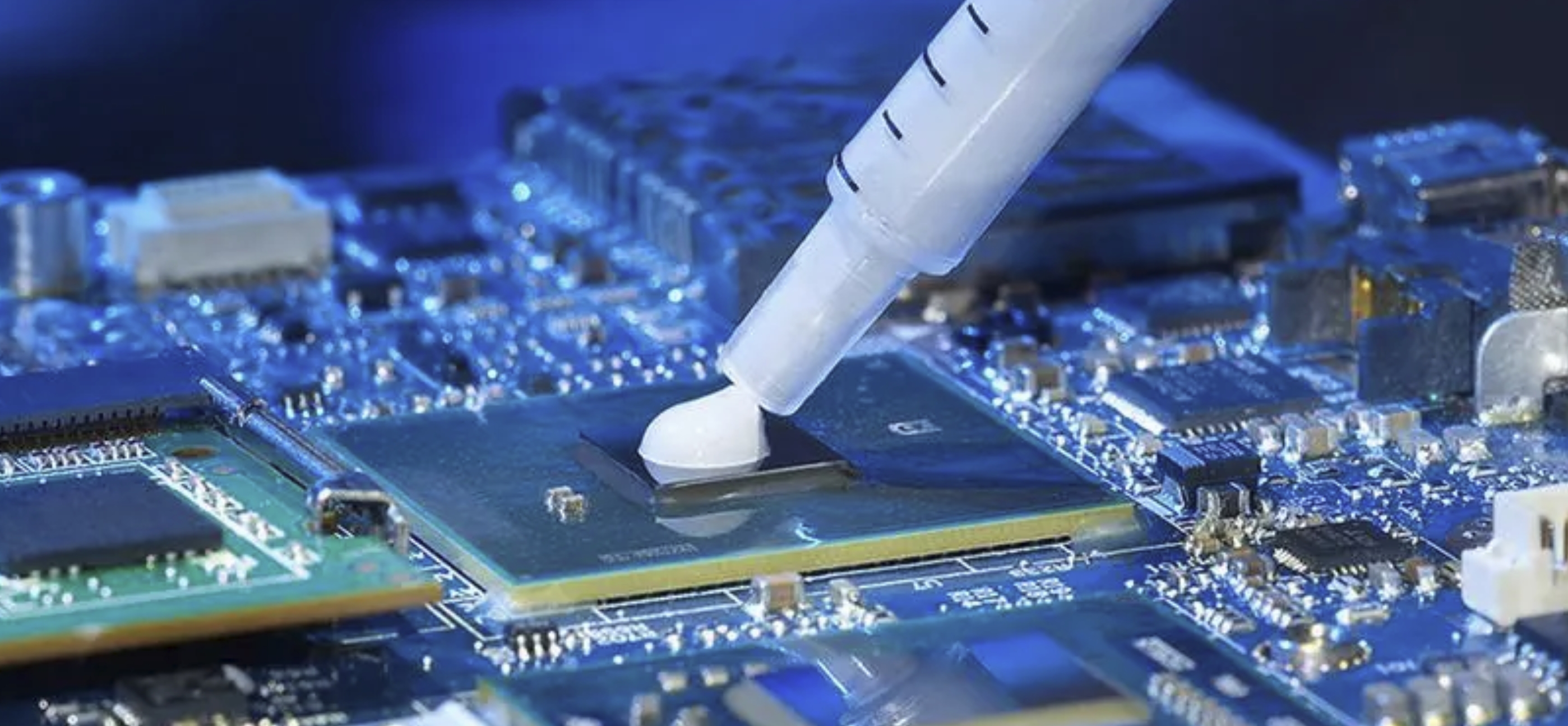
When assembling certain components that generate large amounts of heat and require heat dissipation on electronic chassis and circuit boards, thermally conductive adhesive is usually required. Such as transformers, transistors, CPU chips, etc., usually need to use thermal conductive glue to bond them to the casing, circuit board cold plate or radiator. Thermal conductive adhesives are used for heat dissipation and thermal management of electronic devices. They can connect heating elements to radiators or heat sinks to improve heat conduction efficiency.
Thermal conductive adhesives are generally single-component. A good thermal conductive adhesive not only has good thermal conductivity, resistance to alternating cold and heat, aging resistance and electrical insulation properties but also has excellent moisture resistance, earthquake resistance, corona resistance, leakage resistance and Resistant to chemical media, can be used continuously and maintain performance at -60~280℃, does not swell and has good adhesion to most metal and non-metal materials.
3. Conductive adhesive
In the field of microelectronics assembly, conductive adhesives are generally used to connect thin wires to printed circuits, electroplated substrates, metal layers of ceramic adherends, and metal chassis, to bond wires to tube holders, and to bond components and plane holes that pass through printed circuits. , bonded waveguide tuning and hole repair, etc.
According to different curing systems, conductive adhesives can be divided into room temperature curing conductive adhesives, medium temperature curing conductive adhesives, high temperature curing conductive adhesives, UV curing conductive adhesives, etc.
4. Encapsulants
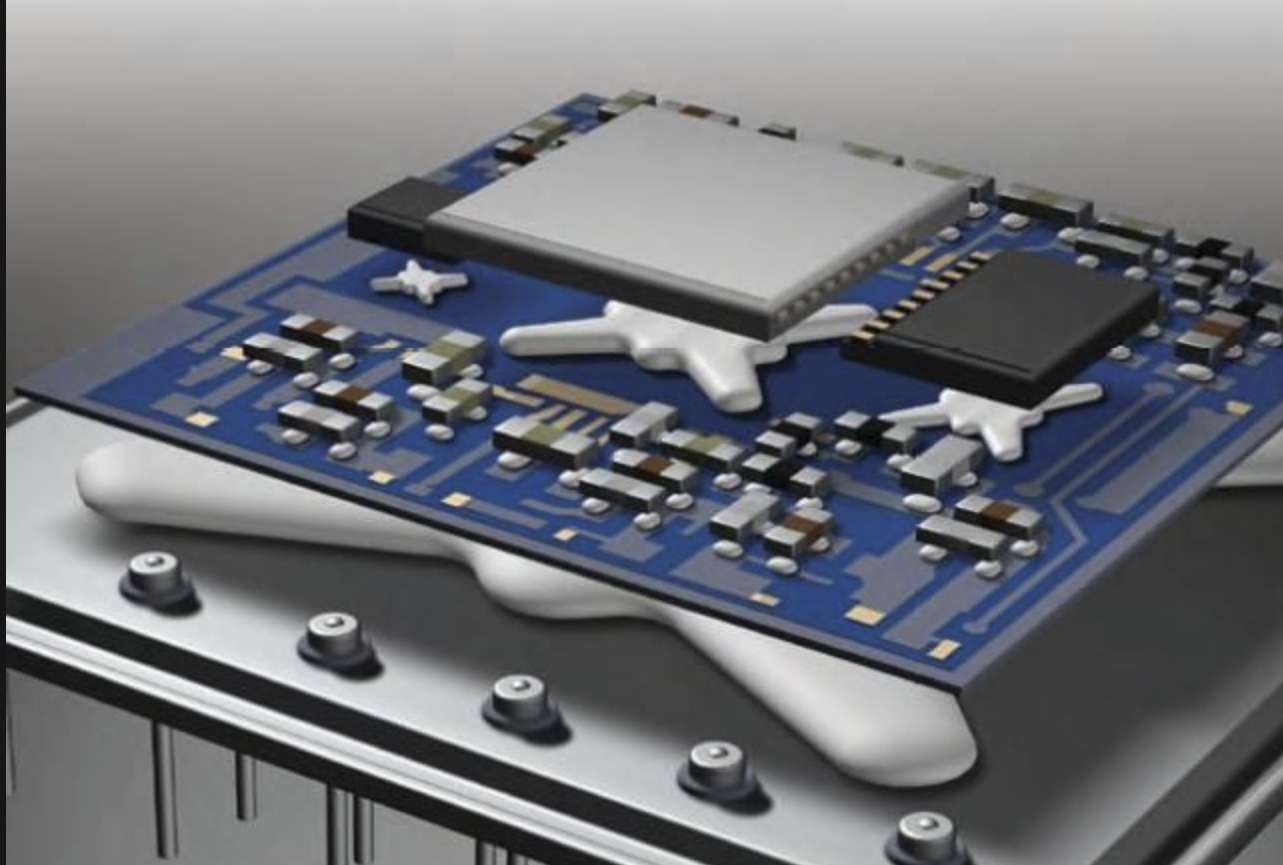
Potting adhesive is a commonly used material in the bonding, sealing, potting and coating protection of electronic components. It is liquid when uncured. After curing, it can provide functions such as waterproof, moisture-proof, dust-proof, insulation, thermal conductivity, sealing, anti-corrosion, temperature resistance and shock resistance. The following are common types of potting materials:
- Epoxy resin potting adhesive: Epoxy resin potting adhesive has excellent physical properties and chemical stability, and forms a hard protective layer after curing. It has high insulation performance, mechanical strength and chemical corrosion resistance, and is suitable for electronic components that require high-strength protection and packaging.
- Silicone resin potting adhesive: Silicone resin potting adhesive has excellent high temperature resistance, weather resistance and flexibility. It has good insulation properties, waterproof properties and anti-vibration capabilities, and is widely used in the protection and sealing of electronic components, especially in high-temperature environments and applications requiring flexibility.
- Polyurethane potting adhesive: Polyurethane potting adhesive has good weather resistance, chemical corrosion resistance and mechanical strength. It has good anti-vibration and shock-absorbing properties and is suitable for the protection and potting of electronic components that are sensitive to mechanical shock and vibration.
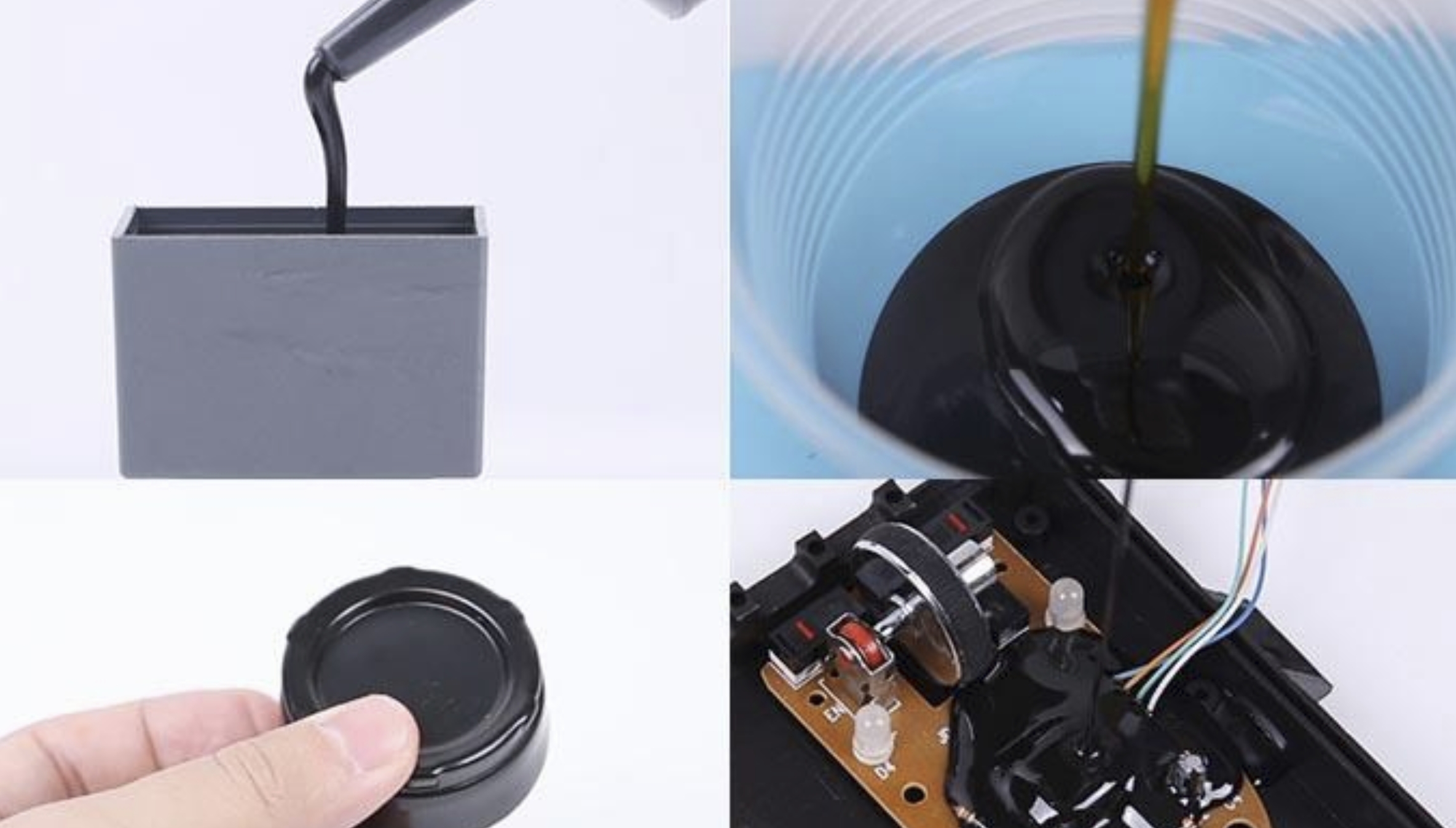
These potting materials can be selected based on specific application requirements to provide appropriate protection and sealing properties and meet the working needs of electronic components under different environmental conditions. When selecting a potting compound, factors such as the material's physical properties, chemical stability, curing method, and application requirements need to be considered.


