
In terms of potting, the design of electronic components and assemblies has a significant impact on economical and sustainable production. Key aspects here include processability, material usage, cycle time, quality, and required process technology. Bubble-free optimized potting contributes greatly to a product’s functionality and service life. This whitepaper outlines potting tips to consider during the design and development phase to achieve best practices.
Key Considerations
1. What Requirements Must Engineering and Design Meet?
Designers bear significant responsibility when developing products. Various factors need to be considered in electronic component development, and any conflicts must be resolved. One example relates to all aspects of production and potting. Engineers and product designers who account for these during component development will reap multiple benefits (Figure 1). For optimal results, comprehensive communication between systems planning, production, and after-sales departments is essential to leverage experience from previous products. Involvement from system and material suppliers is also valuable to avoid missing out on new, cost-effective design options. Incorporating all these aspects into component design will yield impressive results in terms of total cost of ownership (TCO).
2. What Does Potting-Optimized Component Design Entail?
Potting-optimized component design involves displacing air during the potting process and facilitating this displacement. This prevents air bubbles from forming in the potting material, which can sometimes have serious consequences for the product’s proper operation.
3. Why Avoid Air Bubbles?
Air pockets in potting material can cause adverse effects. Depending on the product, they may reduce service life or even lead to complete failure. In some cases, they can induce thermal loads that generate stress inside components, potentially resulting in casing cracks. For example, air bubbles have poor thermal conductivity and reduced insulation properties, thereby lowering the component’s dielectric strength. They also promote corrosion.
4. How to Prevent Air Bubbles in Potting Material?
Numerous guidelines must be followed, as outlined below. When designing components, it is crucial to consider the potting process—especially the flow direction of the potting material and, consequently, the direction of air displacement.
5. What About Design Safety?
Errors in component design can only be corrected later, if at all, at significant time and cost. Design safety stems from adhering to potting guidelines and early dialogue with all internal departments as well as material and system suppliers. If existing experience is insufficient for potting-optimized component design or new materials are being used, testing under production conditions at a technical center will be beneficial. This ensures that all issues are clarified early within a reasonable timeframe, creating a foundation for economical, sustainable potting processes and the required product quality.
6. Why Is Potting-Optimized Component Design Sustainable?
Potting-optimized component design offers high sustainability potential. Minimal waste, reduced material usage, and shorter cycle times are not only cost-effective but also provide environmental benefits that are increasingly important.
Practical Tips
Component miniaturization, more complex shapes, safety-related use of electronic components, and sustainable material usage—all these define the requirements for absolutely bubble-free potting. Following the tips below is an important step forward. Whether potting is used to fill, seal, or impregnate electronic components, the flow direction of the potting material and the unobstructed displacement of air are always critical factors.
1. Avoid Horizontal Surfaces
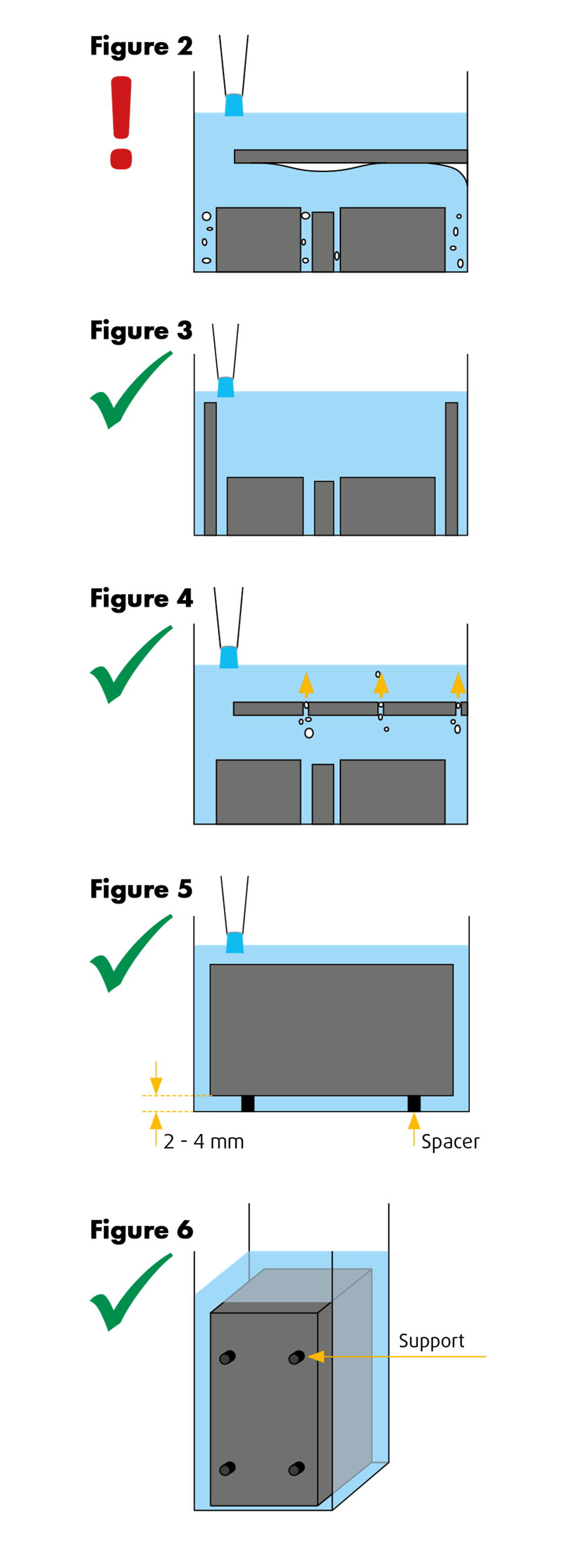
Horizontally mounted components (Figure 2) act as barriers to rising air bubbles. Due to bubble formation, they can prevent contacts underneath from being fully encapsulated by the potting compound.
2. Provide Space for Air Escape
The more components there are, the smaller the potting space becomes. Significant amounts of air can become stubbornly trapped in narrow gaps of windings, such as those in ignition coils. If air escapes gradually or not at all during potting under atmospheric pressure, vacuum potting of the component is recommended. Two design measures facilitate air escape:
- Vertically arranging components with large horizontal surfaces (Figure 3) allows air to escape more easily.
- If the overall design does not permit this, openings should be provided on horizontal surfaces to allow air to flow out (Figure 4).
3. Provide Spacing for Flat Components
Flat components should be installed with sufficient clearance from the housing. This enables better flow of the potting compound and fills gaps effectively.
Designs with large proportions or tall components accelerate the potting process (Figure 5).
If necessary, small supports can be used to create adequate clearance from the housing and minimize barriers to rising air bubbles (Figure 6).
4. Carefully Select Component Sizes
Component dimensions impact subsequent potting in various ways (Figure 7). Different requirements may lead to conflicts.
Here is a practical example: Suppose the potting material used has a slow reaction time. If possible, a larger potting space will allow for faster potting, as the entire volume can flow in one go. As the resulting air pockets escape upward, the potting compound will continue to flow and fill all gaps.
If the housing size is tight, potting may need to be performed in multiple stages. After each dispensing process, a waiting period is required until the material settles completely and air pockets escape—resulting in longer cycle times.
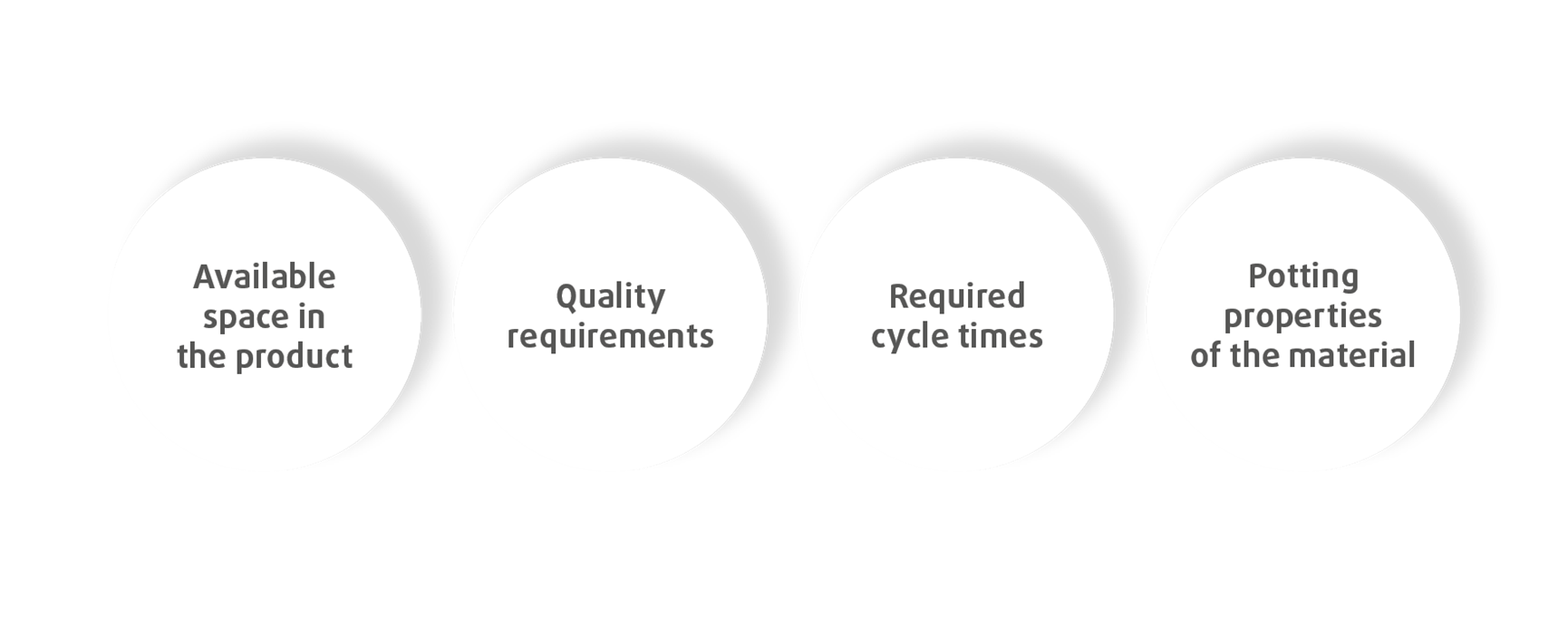
Figure 7: Component size must be considered for various reasons.
5. Define Additional Functions Early
Sometimes components are fully potted without the need for a cover. This simplifies design and reduces weight. Another benefit is that potted components are concealed from view, thus preventing industrial espionage (Figure 8). Another form of potting is the sealing of components to protect against environmental influences and corrosion. The goal here is to extend service life and functional reliability. Sensitive electronic surfaces, such as those of printed circuit boards (PCBs), are coated with a thin layer of resin or protective varnish (Figure 9).
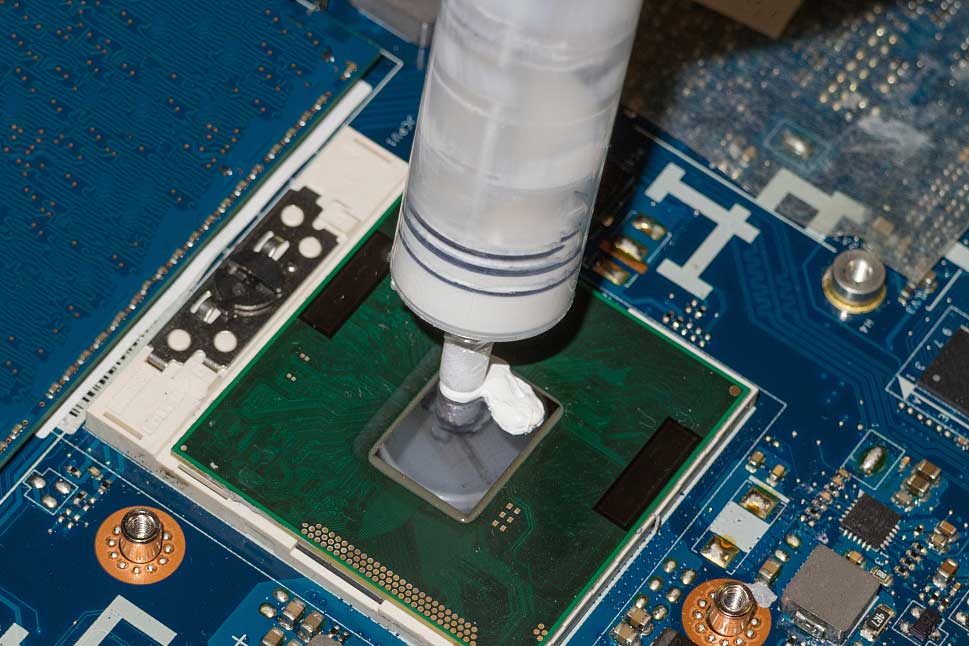
Figure 8: Potting for industrial espionage prevention is an additional function that is increasingly important in the high-tech industry.
In principle, potted surfaces can now be designed to meet the tactile requirements of the final product, eliminating the need for a separate housing. However, when designing components and products, the question always arises: Are these features truly necessary, or would a "covering solution" be better for maintenance purposes?
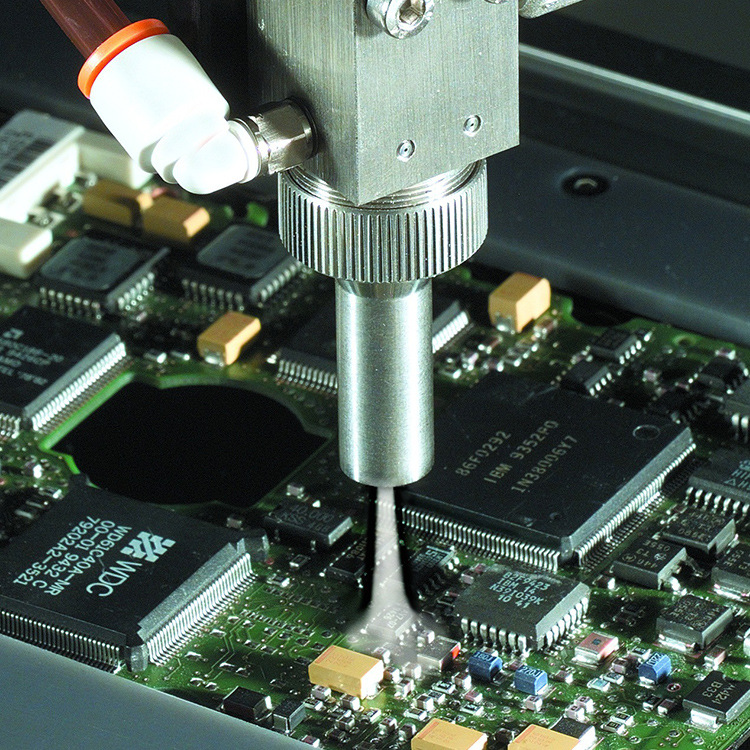
Figure 9: Sealing of printed circuit boards; in this case, ensure only the required areas are sealed.
Dispensing Solutions
In practice, there are situations where a poor component design can no longer be modified. The only option then is to adjust the potting process. This means ensuring the component is perfectly positioned under the dispensing needle so that the potting compound can reach even the farthest corners without bubbles, and all air can escape. Depending on the potting system, various automation options are available here—ranging from positioning solutions such as lift and tilt units integrated into 3-axis systems (Figure 10) to robotic arms (Figure 11). Essentially, the potting system will need to perform more work, resulting in longer cycle times.
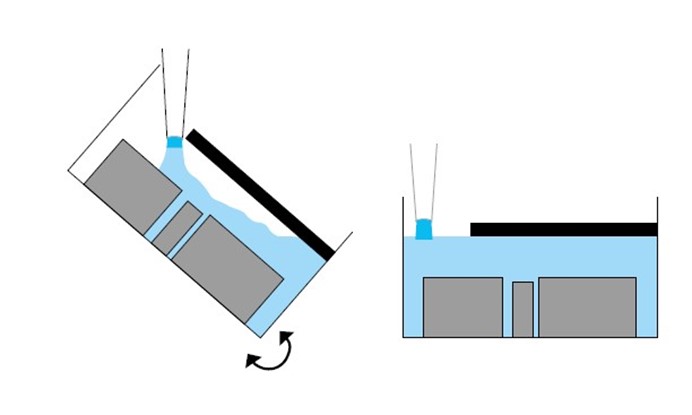
Figure 10: The component is first tilted to allow material to fill the lower corners, then moved to a horizontal position for the remaining potting.
These additional costs can be avoided if designers engage with production teams or system suppliers early in the process. Internal employees are usually fully trained on available potting systems and possess extensive expertise. However, given the dynamic development of potting systems, experts working at system suppliers have a better understanding of new technologies. In such cases, consultation can save time and money.
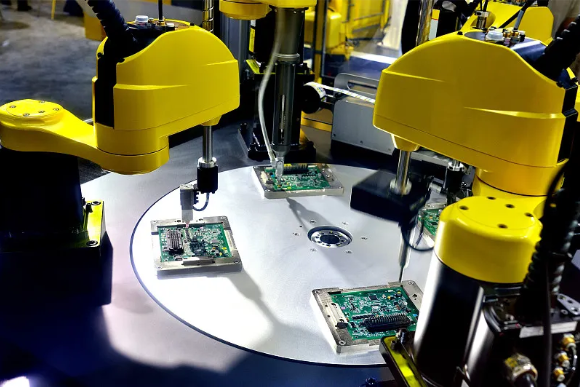
Figure 11: Robotic solutions offer maximum flexibility in component positioning but are usually the most expensive.
Consider Materials and Potting Technology
Material Selection
Design and production teams not only develop components but also select potting materials. These must meet product requirements and be compatible with the component design. First, all relevant parties should clarify the function the potting is intended to perform. Questions to consider include:
- Is the component only required to be protected against moisture or mechanical stress?
- Is thermal conductivity necessary?
- Is insulation or dielectric strength required?
These questions help engage material suppliers and system manufacturers to leverage their experience and expertise—since each material behaves differently and thus can be processed in various ways. This ultimately influences which potting system is best suited for the task (automation, material preparation, dispensing, quality assurance, etc.).
Numerous established materials based on silicone, epoxy resin, or polyurethane are available to effectively protect components (Figure 12). For example:
- Silicones offer excellent water repellency on their surface. They are electrical insulators, dampen mechanical vibrations, and remain stable over a wide temperature range.
- Polyurethanes are highly customizable. Depending on the formulation, they can be very soft or hard after curing. These resins exhibit excellent adhesion to metals and shrink relatively little during hardening. They also have very good thermal conductivity.
- Epoxy resins possess excellent bonding properties and superior electrical insulation. They offer high heat resistance up to 180°C under continuous load.
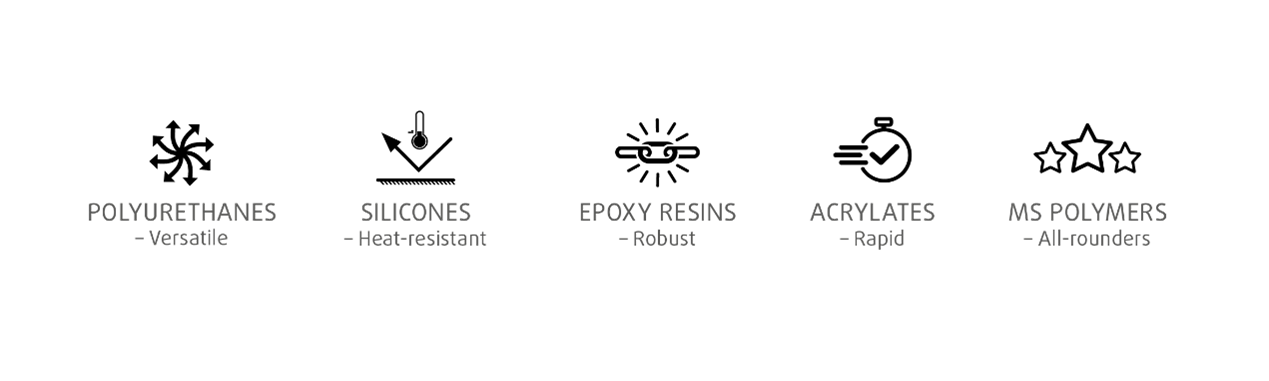 Figure 12: Each material has unique advantages but also imposes different requirements on the potting process.
Potting Technology
Component design has a significant impact on whether potting is performed under atmospheric pressure or vacuum. Vacuum potting is increasingly used when potting must be absolutely bubble-free to ensure high functional quality, safety, and reliability of electronic components. Optimal design allows potting under atmospheric pressure up to a certain limit (very small dispensing spaces, undercuts, etc.), but sometimes only vacuum potting is the solution. Technically, there are no limitations—mature solutions based on complex process engineering are available for both types of potting.
Early Validation in Component Development
Ensuring Design Safety Through Testing
Design safety stems from validating all aspects:
- How does the potting material flow through the component?
- Are the planned design changes sufficient to achieve absolutely bubble-free potting?
- In some cases, can vacuum potting or potting with complex component positioning be avoided?
Without sufficient experience, these questions are difficult to answer theoretically. In such cases, testing at a technical center is recommended. These tests verify the component’s suitability under production conditions and provide early indications of how to optimize the component. The team also gains clarity on whether the component design, material, and selected potting technology work perfectly in synergy. Technical centers address all relevant questions—at a stage when any high follow-up costs can still be avoided. In terms of potting, practical testing gives manufacturers confidence that they have fulfilled their responsibility to deliver robust and durable components.
Optimizing the Component Design Phase
Poor-quality rejects and/or complaints caused by potting errors are costly and, depending on the product, can damage the company’s reputation. Designers have a significant impact on avoiding such issues from the outset. By adhering to the rules summarized in this whitepaper and communicating with all relevant stakeholders early on, they can make a substantial contribution to achieving successful, high-quality products. It makes sense to access expertise, experience, and services (such as technical centers of system and material suppliers) at an early stage.


